한국어日本語English

Places to pause:
Japan’s power spots.

Discover 30 shrines and temples across Japan, with official sources on local traditions, nature and practical access.

Power spots ↓
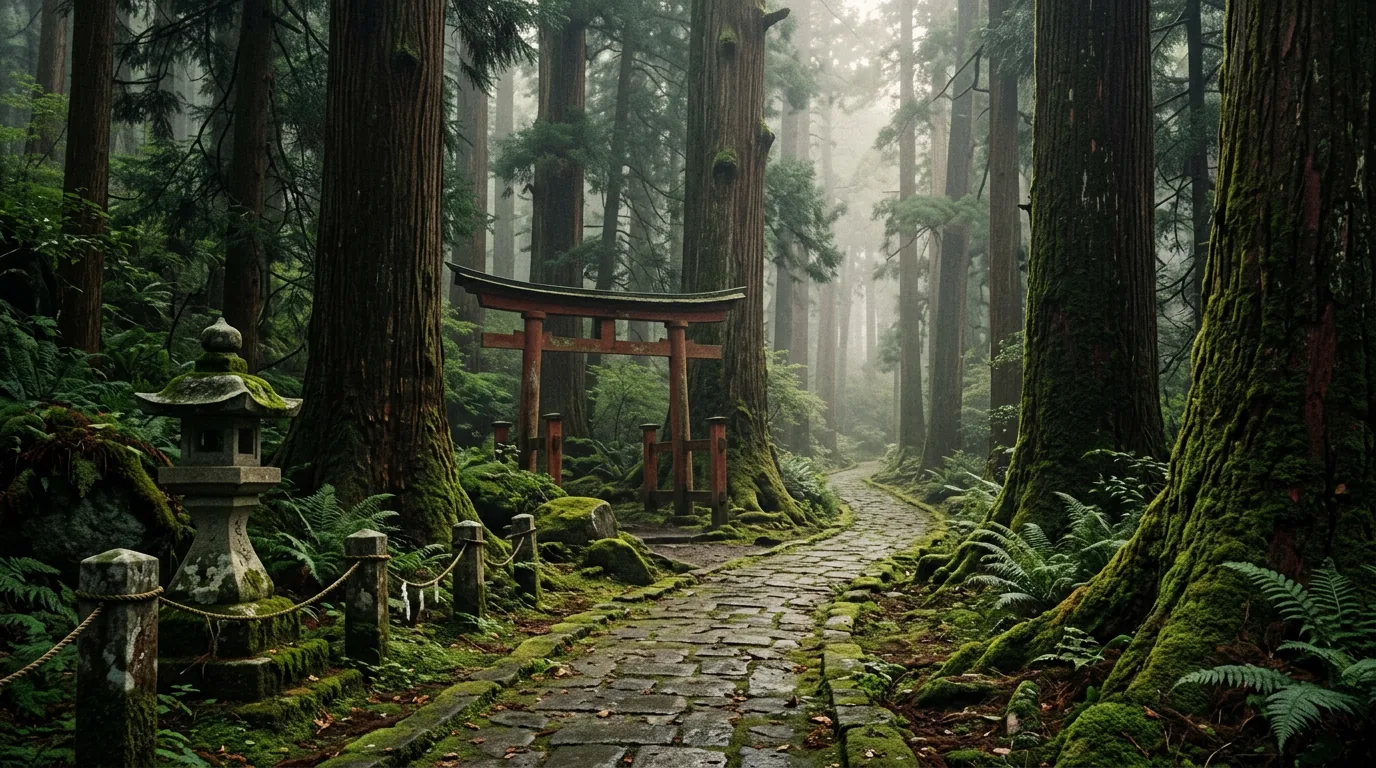
Illustration of an imagined shrine forest

“Power spot” is a popular term for a place considered special. This guide describes local traditions and history; it does not promise supernatural effects or changes in fortune.

30 notable power spots across Japan

Sources checked: 7 November 2026

Explore by theme · places can appear under more than one theme

30 power spots

Hokkaido Jingu 北海道神宮

Hokkaido · Sapporo   ·   Shrine

北

The place

A shrine in Sapporo’s Maruyama area, close to a park where the scenery changes with the seasons. Allow time for a gentle walk around the area.

Tradition and meaning / Northern history and nature

The shrine states that it enshrines three kami and Emperor Meiji. Its Maruyama setting offers a chance to consider local history and traditions alongside seasonal scenery.

Getting there

Walk from Maruyama-koen Subway Station; Hokkaido’s official tourism site gives an approximate walk of 15 minutes.

Before you visit

Opening hours can vary by season and around New Year. In snowy weather, wear footwear with good grip.

Plan your visit

Take Sapporo’s Tozai subway line to Maruyama-koen and combine the shrine with a walk around Maruyama. Hokkaido’s tourism guide estimates a 15-minute walk from the station; allow extra time for snow in winter.

A closer look / Making the visit meaningful

The wooded Maruyama setting offers a transition from the city into a place of worship. Combine a visit with nearby Maruyama Park, allowing extra time for snow and ice in winter.

Chusonji Temple 中尊寺

Iwate · Hiraizumi · Temple

中

The place

A Buddhist temple reached by a wooded path in Hiraizumi. Its Golden Hall is part of the UNESCO-listed Hiraizumi heritage site.

Tradition and meaning

The 12th-century Konjikido offers a window into Pure Land Buddhist ideals and the craftsmanship of the period.

Getting there

From JR Hiraizumi Station, allow about ten minutes by bus or 30 minutes on foot. Check operating days and timetables in advance.

Before you visit

The approach is uphill; admission may apply to the Golden Hall and other areas. Follow opening and photography guidance.

Plan your visit

Visit the wooded approach and Golden Hall, then consider nearby Motsuji Temple if your schedule allows.

A closer look / Making the visit meaningful

The gilded Konjikido and its craftsmanship offer insight into the Pure Land aspirations of the Northern Fujiwara. Follow the uphill Tsukimizaka approach past the temple halls; check admission arrangements for Konjikido before visiting.

Shiogama Shrine 鹽竈神社

Miyagi · Shiogama · Shrine

鹽

The place

A historic hilltop shrine in the port city of Shiogama, known for its vermilion buildings, harbour views and spring blossoms.

Tradition and meaning

Local traditions connect the shrine with the sea and salt-making. This is a description of belief, not a promise of results.

Getting there

Take the JR Senseki Line from Sendai to Hon-Shiogama Station, then walk approximately 15 minutes. Check the train timetable before setting out.

Before you visit

The main approach has 202 stone steps. Consider the weather and your mobility, and check alternative approaches in advance if needed.

Plan your visit

Visit as a day trip from Sendai and allow time for a walk around the port. Check your return train, particularly during the blossom season.

A closer look / Making the visit meaningful

Explore the grounds with the port town’s maritime and salt-making traditions in mind. The front approach has 202 steps; if stairs are difficult, check alternative approaches and transport in advance.

Zuiganji Temple 瑞巌寺

Miyagi · Matsushima · Temple

瑞

The place

A Zen temple in Matsushima, known for its main hall rebuilt by Date Masamune and historic caves in the surrounding grounds.

Tradition and meaning

As a temple associated with the Date family, its buildings and decoration offer insight into local Buddhist culture and history.

Getting there

Take the JR Senseki Line from Sendai to Matsushimakaigan Station, then walk about ten minutes. Do not confuse it with Matsushima Station.

Before you visit

Check admission and photography restrictions. Take care along the coast in rain or strong wind.

Plan your visit

Visit the temple from the station, then explore Matsushima Bay. Check operators separately for boat and attraction services.

A closer look / Making the visit meaningful

Pair Matsushima’s coastal scenery with a closer look at the Buddhist culture associated with the Date family. Use the on-site interpretation for the main hall and decoration, and observe the visitor route and photography rules.

Risshakuji (Yamadera) 立石寺

Yamagata · Yamadera · Temple

立

The place

A mountainside temple complex known as Yamadera, with halls spread along a forested slope and views over the valley.

Tradition and meaning

The wooded stone approach is part of a long mountain-temple tradition. The poet Matsuo Basho also visited the site.

Getting there

The lower temple area is about seven minutes on foot from JR Yamadera Station. The upper precinct requires a separate climb.

Before you visit

There are roughly 1,000 steps to the upper area. Rain and snow can make them slippery; check conditions and wear suitable shoes.

Plan your visit

Walk from the station to the mountain gate and continue uphill only if conditions and your fitness allow. Check your return train in advance.

A closer look / Making the visit meaningful

Around 1,000 stone steps lead from the foot of the mountain toward the upper temple area. Pause along the way for the forest and views; check access conditions and wear sturdy shoes, especially in rain or snow.

Nikko Toshogu Shrine 日光東照宮

Tochigi · Nikko · Shrine

日

The place

A shrine dedicated to Tokugawa Ieyasu, known for its ornate carvings and Yomeimon Gate. It forms part of the UNESCO-listed Shrines and Temples of Nikko.

Tradition and meaning

Explore the history of Ieyasu’s enshrinement and Edo-period craftsmanship. Look for the famous carving of the three wise monkeys.

Getting there

Take the World Heritage sightseeing bus from JR Nikko or Tobu Nikko Station, about 15 minutes. Walking from the station takes around 45 minutes.

Before you visit

Admission may vary by building or area. The path to the inner shrine includes a long staircase; check opening conditions and your ability before climbing.

Plan your visit

See Yomeimon and the carvings, then, if time permits, visit nearby Rinnoji Temple and Futarasan Shrine. Separate admission conditions may apply.

A closer look / Making the visit meaningful

Look closely at the ornate Yomeimon gate and the details of the shrine buildings: the three monkeys are only one of many carved scenes. Allow time for the extensive grounds, stairs and areas with separate admission.

Sensō-ji 浅草寺

Tokyo · Asakusa   ·   Temple

浅

The place

A Buddhist temple in Asakusa. The approach from Kaminarimon through Nakamise offers a glimpse of the district’s long history. The neighbouring Asakusa Shrine is a separate place.

Tradition and meaning / Kannon devotion

Sensō-ji is dedicated to Shō Kannon, the bodhisattva of compassion. The temple describes Kannon as listening to the suffering of living beings. This describes a religious tradition, not a guaranteed outcome.

Getting there

Walk from Asakusa Station; exits vary by railway line, so check your route before setting out.

Before you visit

The temple calls its fortune slips Kannon Hyakusen. Follow the instructions on site when drawing one.

Plan your visit

Start at Kaminarimon, walk along Nakamise and continue to the main hall. Sensō-ji is a Buddhist temple: follow its own guidance rather than assuming shrine customs apply. Return the fortune stick to its container.

A closer look / Making the visit meaningful

The route from Kaminarimon through Nakamise to the main hall brings Asakusa’s commerce and Kannon devotion together. Incense and omikuji are optional; when it is busy, leave space for people moving through to worship.

Meiji Jingu 明治神宮

Tokyo · Shibuya   ·   Shrine

明

The place

A wooded shrine precinct in central Tokyo. The walk from busy Harajuku into the tree-lined approach offers a striking change of pace.

Tradition and meaning / A shrine in the forest

Meiji Jingu enshrines Emperor Meiji and Empress Shōken. According to the shrine, its forest was created using trees donated when the shrine was established.

Getting there

Several stations, including Harajuku, provide access. The official guide notes that walking from the entrance to the main shrine takes additional time.

Before you visit

Allow time for the walk and wear comfortable shoes. Check opening times and current visitor guidance on the official site.

Plan your visit

From the Harajuku-side entrance, follow the wooded approach to the main shrine. The shrine suggests about an hour for a visit, with at least ten minutes from the entrance to the main buildings. Photography is prohibited in the worship area in front of the main shrine.

Related official guidance ↗

A closer look / Making the visit meaningful

Beyond the torii near busy Harajuku, a wooded approach leads through a forest grown from donated trees. Follow the southern approach towards the shrine buildings and observe posted restrictions, including those on photography in front of the worship area.

Zenkoji Temple 善光寺

Nagano · Nagano City · Temple

善

The place

A major Buddhist temple in Nagano, visited by pilgrims for centuries. Shops and restaurants line the approach from Nagano Station.

Tradition and meaning

Its principal image is the Ikko Sanzon Amida Nyorai, also called Zenkoji Nyorai. JNTO explains that it is kept hidden from public view.

Getting there

From Nagano Station, allow about 30 minutes on foot or 15 minutes by bus. Check the departure stop and current service.

Before you visit

Admission and access vary by area. The dark passage beneath the hall may not suit everyone; check accessibility before entering.

Plan your visit

Walk the approach from the station, or take a bus there and explore the shops on the way back. Check the temple’s current visitor information.

A closer look / Making the visit meaningful

The principal image is a hidden Buddha and is not ordinarily visible. Explore the main hall and approach as an introduction to the temple’s pilgrimage tradition; check availability and admission for the dark passage experience and other special areas.

Oyama Shrine 尾山神社

Ishikawa · Kanazawa · Shrine

尾

The place

A central Kanazawa shrine known for its distinctive gate and a convenient stop on a walk around the castle district.

Tradition and meaning

Associated with the Kaga lord Maeda Toshiie, it provides a starting point for exploring the city’s history and traditions.

Getting there

From Kanazawa Station, take a bus to Minami-cho and walk about three minutes. Check the local route and stop.

Before you visit

This is a place of worship. Follow photography rules and notices about events or repairs.

Plan your visit

After visiting, walk toward nearby Kanazawa Castle Park to explore the area’s architecture and history.

A closer look / Making the visit meaningful

Consider Maeda Toshiie and the history of the Kaga domain as you explore the gate and grounds. The gate combines Japanese and Western architectural elements, and the shrine can be paired with a walk around Kanazawa Castle Park.

Atsuta Jingu 熱田神宮

Aichi · Nagoya · Shrine

熱

The place

A shrine within easy rail reach of central Nagoya, set among spacious wooded grounds. JNTO introduces it as one of the city’s major shrines.

Tradition and meaning

It is traditionally associated with the sacred Kusanagi sword, which is not on public display. Check the treasure museum separately for current exhibits.

Getting there

The shrine is about three minutes on foot from Meitetsu Jingu-mae Station or eight minutes from JR Atsuta Station. Check the appropriate train from Nagoya Station.

Before you visit

Conditions and opening hours for the grounds and museum may differ. Check the official site for opening and closure information.

Plan your visit

Take the train from Nagoya, visit the main sanctuary and walk through the grounds. If you want to see an exhibition, check the museum schedule separately.

A closer look / Making the visit meaningful

Experience an old place of worship within a green urban setting. The sacred sword is not on public display and should not be confused with the treasure museum’s exhibits; check photography rules and museum opening days.

Ise Jingu 伊勢神宮

Mie · Ise   ·   Shrine

伊

The place

Ise Jingu comprises a number of shrines centred on Naiku and Geku. The two main precincts are separate, so allow time to travel between them.

Tradition and meaning / Jingu and tradition

Ise Jingu describes Naiku as dedicated to Amaterasu-Omikami and Geku to Toyo’uke-no-Omikami. Learning about each precinct provides context for a visit.

Getting there

The official access guide suggests visiting Geku before Naiku. Consult the official transport information when planning your route.

Before you visit

Respect photography restrictions and worship-area guidance, and allow enough time between the two precincts.

Plan your visit

Consider starting at Geku near Iseshi Station, then travelling to Naiku by bus or another service. The two sanctuaries are separate, so allow time for transport and waiting; check services and visiting hours before setting out.

A closer look / Making the visit meaningful

Geku and Naiku are separate sites, so allow time to travel between them. The shrine recommends visiting Geku first. At Naiku, cross Uji Bridge and leave time for the approach and nearby streets as well as the shrine itself.

Hiyoshi Taisha 日吉大社

Shiga · Otsu · Shrine

日

The place

A shrine at the foot of Mount Hiei in Sakamoto, reachable by rail from Kyoto and known for the local Sanno Festival.

Tradition and meaning

It is a centre of Hiyoshi, Hie and Sanno traditions, offering insight into the region’s relationship between mountains and worship.

Getting there

From Kyoto Station, take the JR Kosei Line to Hieizan-Sakamoto, then walk about 15–20 minutes. Keihan Sakamoto-hieizanguchi is another option.

Before you visit

Check entry conditions and event crowds. If continuing up the mountain, also check the cable car and weather.

Plan your visit

Visit the shrine and walk through historic Sakamoto. Plan additional transport and time if you continue to Mount Hiei.

A closer look / Making the visit meaningful

The forest and multiple shrine buildings at the foot of Mount Hiei reveal a tradition closely tied to the mountain. Allow time to walk the grounds and check the visitor guidance for each area.

Fushimi Inari Taisha 伏見稲荷大社

Kyoto · Fushimi   ·   Shrine

伏

The place

Known for its vermilion torii-lined paths on Mount Inari, this shrine offers walks of different lengths beyond the main worship area.

Tradition and meaning / Harvest and work

Fushimi Inari Taisha describes its tradition of prayers for abundant harvests and prosperity in business. The mountain is also a place of worship, so observe local etiquette on the paths.

Getting there

From Kyoto Station, take the JR Nara Line to Inari, or walk from Keihan Fushimi-Inari Station. Check stopping patterns and service updates before travelling.

Before you visit

The mountain paths include slopes and steps. Choose a route that suits the weather and your fitness, and take care after dark.

Plan your visit

From JR Inari Station, visit the main shrine and continue toward Senbon Torii. You can turn back when you wish; JNTO estimates two to three hours for a full circuit of the mountain.

Related official guidance ↗

A closer look / Making the visit meaningful

The torii at Senbon Torii were donated by individuals and organisations; inscriptions on their reverse record those offerings. The mountain circuit can take around two to three hours, so bring water and comfortable shoes and turn back whenever appropriate.

Yasaka Shrine 八坂神社

Kyoto · Gion · Shrine

八

The place

A shrine in Kyoto’s Gion district, next to Maruyama Park, with a close connection to the Gion Matsuri festival.

Tradition and meaning

Kyoto’s official travel guide explains the connection between the shrine’s history and Gion Matsuri. Explore that background as part of your visit.

Getting there

It is within walking distance of Shijo-Kawaramachi and can be combined with a walk through Gion or Higashiyama.

Before you visit

Festivals and events can bring crowds. Check local notices and traffic restrictions.

Plan your visit

Walk from Shijo-Kawaramachi to the shrine, then continue to neighbouring Maruyama Park. Kyoto’s travel guide estimates the walk from Shijo-Kawaramachi at about 13 minutes. Allow for crowds and restrictions during Gion Matsuri and other events.

A closer look / Making the visit meaningful

The shrine’s setting beside Gion connects Kyoto’s neighbourhood life with its festival traditions. Check the current Gion Matsuri schedule separately, and respect private property and access restrictions in nearby streets.

Kiyomizudera Temple 清水寺

Kyoto · Higashiyama · Temple

清

The place

A Buddhist temple on a hillside in eastern Kyoto, known for the wooden stage of its main hall and views over the city.

Tradition and meaning

The visit offers a chance to learn about Kannon devotion and traditions associated with Otowa Waterfall. Treat stories about the water as matters of belief and culture.

Getting there

From Kyoto Station, take a bus to Kiyomizu-michi or Gojozaka, then walk uphill for about ten minutes. Check current routes and services.

Before you visit

The approach is uphill and can be crowded. Parts of the complex require admission, and events or repairs may change the route.

Plan your visit

Walk up the approach to the main hall and Otowa Waterfall, then explore Higashiyama if time permits. Follow local instructions on drinking water and photography.

A closer look / Making the visit meaningful

Take in the city from the main hall’s stage, then follow the visitor route to Otowa Waterfall. Stories about its water belong to faith and tradition; queue considerately and prepare for hills and steps.

Sumiyoshi Taisha 住吉大社

Osaka · Sumiyoshi · Shrine

住

The place

A historic shrine in southern Osaka, known for distinctive shrine architecture and an arched bridge, accessible by local rail.

Tradition and meaning

It is a place to learn about Sumiyoshi traditions associated with safety at sea. Prayer is an expression of belief, not a guarantee.

Getting there

Walk from Tennoji Station to Tennoji-ekimae tram stop. A service running through from the Uemachi Line onto the Hankai Line can take you to Sumiyoshitorii-mae. Check the current route and timetable before travelling.

Before you visit

The arched bridge is steep. If it is slippery or difficult to cross, check for another route nearby.

Plan your visit

Explore the shrine buildings and grounds, then combine your visit with another stop in southern Osaka.

A closer look / Making the visit meaningful

Explore the arched Sorihashi bridge and the main sanctuaries in the context of the shrine’s maritime traditions. The bridge is steep; if it is difficult, ask about an alternative route rather than attempting it.

Namba Yasaka Shrine 難波八阪神社

Osaka · Namba · Shrine

難

The place

A shrine in Namba known for its striking lion-head-shaped structure. It is a place of worship close to a residential neighbourhood.

Tradition and meaning

Osaka’s tourism guide describes traditions associated with warding off misfortune and prayers for success. Such beliefs do not guarantee outcomes.

Getting there

Walk from the Namba station area. The route varies depending on your rail line and exit, so check a map.

Before you visit

Check visiting and photography rules, and be considerate of worshippers and neighbours.

Plan your visit

This is an easy stop on a walk from the Namba station area: see the lion-head-shaped Shishiden and take time to pay your respects. Osaka’s tourism guide estimates about six minutes on foot, though the route depends on your line and exit.

A closer look / Making the visit meaningful

The lion-head-shaped stage is the shrine’s most distinctive sight. Leave the worship area and pathways clear when taking photographs; the compact grounds are easy to include in a walk around Namba.

Ikuta Shrine 生田神社

Hyogo · Kobe · Shrine

生

The place

A shrine in central Sannomiya, close to Kobe’s busy streets and easy to include in a walk through the port city.

Tradition and meaning

The shrine has long been part of local life and continues to host worship and festivals. Hyogo’s tourism guide also describes the shrine’s association with prayers for connections.

Getting there

Walk from the Sannomiya station area, served by JR, private railways and the subway. Distance varies with the station and exit.

Before you visit

Even in the city centre, the precinct is a place for quiet worship. Follow local notices, especially on event days.

Plan your visit

Visit from Sannomiya, then continue toward the Kitano district or Kobe’s waterfront for a day of exploring.

A closer look / Making the visit meaningful

Close to busy Sannomiya, the shrine makes a convenient pause on a city walk. Consider its association with connections as an invitation to reflect on relationships in a broader sense, not only romance.

Todaiji Temple 東大寺

Nara · Nara Park · Temple

東

The place

A Buddhist temple founded in the Nara period, famous for its Great Buddha Hall and monumental Buddha. It is part of the UNESCO-listed Historic Monuments of Ancient Nara.

Tradition and meaning

The Great Buddha provides a starting point for learning about Buddhist culture and the history of Nara. Remember that the temple remains a place of worship.

Getting there

Walk about 20 minutes from Kintetsu Nara Station, or take a city bus to the Todaiji Daibutsuden/Kasuga Taisha-mae stop and continue on foot.

Before you visit

Admission may be charged for the Great Buddha Hall and other areas. Nara Park’s deer are wild animals: keep a respectful distance and follow feeding guidance.

Plan your visit

Walk through Nandaimon Gate to the Great Buddha Hall, then explore Nara Park if time allows. Plan breaks for heat and crowds.

A closer look / Making the visit meaningful

Passing through Nandaimon to the Great Buddha Hall reveals both the scale of the statue and the wooden space around it. Nara Park’s deer are wild animals: keep a respectful distance and do not leave food or litter behind.

Kasuga Taisha 春日大社

Nara · Nara Park · Shrine

春

The place

A shrine in the wooded grounds of Nara Park, known for its vermilion buildings and many lanterns. Deer roam the surrounding area.

Tradition and meaning

The shrine is linked to Nara’s history and the Fujiwara family. Its lanterns and seasonal wisteria offer a way into local traditions.

Getting there

Take a Kasuga Taisha Honden-bound bus from JR or Kintetsu Nara Station. If walking from Kintetsu Nara Station, allow at least 25–30 minutes and extra time for your route and pace.

Before you visit

Special worship areas and gardens may have separate fees and hours. Keep a safe distance from the wild deer.

Plan your visit

Walk through Nara Park to the shrine, then visit Todaiji if time permits. Allow for crowds during festivals and wisteria season.

A closer look / Making the visit meaningful

The stone lanterns along the approach and hanging lanterns in the shrine reflect a long tradition of offerings. Combine the visit with Nara Park, but check dates separately for lantern lighting and special openings.

Kumano Nachi Taisha 熊野那智大社

Wakayama · Nachikatsuura · Shrine

熊

The place

One of the three Kumano Sanzan shrines, set on Mount Nachi beside Seigantoji Temple and near Nachi Falls.

Tradition and meaning

The site offers insight into waterfall worship and the long history of neighbouring shrine and temple traditions in Kumano.

Getting there

From JR Kii-Katsuura Station, take a bus to Nachisan, about 30 minutes. This is a longer trip than a city-centre shrine, so allow time for the return.

Before you visit

There are slopes and steps, and buses may be infrequent. Check both directions, weather and current access before travelling.

Plan your visit

Visit the shrine and neighbouring temple from Nachisan stop. Plan the separate bus stop and walking route for Nachi Falls.

A closer look / Making the visit meaningful

Visit the shrine, neighbouring Seiganto-ji and Nachi Falls together to appreciate the relationship between nature and worship in Kumano. Transfers and steps take time, so check the return bus before setting out.

Izumo Taisha 出雲大社

Shimane · Izumo   ·   Shrine

出

The place

Known for enmusubi, or the tying of connections. Its official FAQ explains that these connections are not limited to romance or marriage, but include many kinds of human relationships.

Tradition and meaning / Connections

The shrine explains that enmusubi includes the many connections surrounding people, not only romance. This is a matter of faith and does not guarantee a particular result.

Getting there

Buses and other transport are available from JR Izumoshi Station. Check the official access guide and operator timetables.

Before you visit

Follow local worship and traffic guidance. Festivals and seasonal events can bring crowds.

Plan your visit

The shrine explains that connections extend beyond romance. Shrine etiquette can differ, so follow the instructions on site. Check the return bus timetable to Izumoshi Station before your visit.

A closer look / Making the visit meaningful

Learn about Okuninushi-no-Okami and traditions of forming connections before walking the broad approach. The shrine’s customary worship differs from the common pattern: two bows, four claps and one bow. Follow the guidance on site.

Kibitsu Shrine 吉備津神社

Okayama · Okayama City · Shrine

吉

The place

A shrine in the Kibi area, known for its long covered corridor and distinctive architecture. It makes a rewarding stop for exploring local stories.

Tradition and meaning

The legend of Kibitsuhiko and Ura is associated with Okayama’s Momotaro stories. Enjoy the legend as tradition rather than established historical fact.

Getting there

Take the JR Kibi Line from Okayama Station to Kibitsu Station, then walk about ten minutes. Check the train frequency and return time.

Before you visit

Check opening, event and photography guidance. Allow extra time around train departures.

Plan your visit

Visit Kibitsu Shrine and, if the train schedule allows, combine it with nearby Kibitsuhiko Shrine to explore the regional legend.

A closer look / Making the visit meaningful

Explore the main sanctuary and long covered corridor as an introduction to Kibi’s architecture and history. The story of Kibitsuhiko and Ura is linked to Momotaro traditions; distinguish legend from documented history.

Itsukushima Shrine 嚴島神社

Hiroshima · Miyajima · Shrine

嚴

The place

A shrine on Miyajima known for its waterside corridors and great torii gate. The view changes with the tide.

Tradition and meaning

The shrine describes a tradition of revering deities associated with protection at sea. This is a religious belief, not a guaranteed outcome.

Getting there

From JR Miyajimaguchi Station, walk to the ferry terminal and cross to Miyajima. The shrine is within walking distance of the island pier.

Before you visit

Check ferry services, tide conditions and admission information before travelling.

Plan your visit

From Hiroshima Station, the JR Sanyo Line takes about 30 minutes to Miyajimaguchi; walk to the pier and take the roughly 10-minute ferry. The shrine’s route follows the corridors past the main sanctuary and stage. Check the tides for the view you hope to see.

Related official guidance ↗

A closer look / Making the visit meaningful

The view of the corridors and great torii changes with the tide. Check high and low tide times alongside ferry schedules, and follow local safety guidance before entering the tidal flats.

Kotohiragu Shrine 金刀比羅宮

Kagawa · Kotohira · Shrine

金

The place

Affectionately known as Konpira-san, this Shikoku shrine is famous for its long stone stairway and views over the Sanuki Plain.

Tradition and meaning

The shrine has a long association with prayers for safe sea travel. The shops along the approach are also part of the local experience.

Getting there

Walk toward the approach from JR Kotohira or Kotoden Kotohira Station. There are 785 stone steps from the approach to the main shrine.

Before you visit

The 785 steps lead to the main shrine; the inner shrine is farther uphill. Bring water and suitable shoes, and do not push beyond your limits.

Plan your visit

Follow the approach from the station and take breaks as needed. After your visit, consider trying the local Sanuki udon.

A closer look / Making the visit meaningful

There are 785 steps from the approach to the main shrine. Bring water, take breaks and enjoy the shops along the way. If continuing beyond the main shrine, allow for additional distance and stairs.

Dazaifu Tenmangu 太宰府天満宮

Fukuoka · Dazaifu   ·   Shrine

太

The place

A shrine dedicated to Sugawara no Michizane, associated with learning and culture. Alongside worship, visitors can explore bridges, artworks and the surrounding streets.

Tradition and meaning / Learning and study

Dazaifu Tenmangu enshrines Sugawara no Michizane, revered in connection with learning and culture. Knowing this tradition adds context to a visit before an exam or new course of study.

Getting there

It is a walk from Nishitetsu Dazaifu Station. From Fukuoka, check the train or bus route that best suits your starting point.

Before you visit

The shrine announced that worship in front of the main sanctuary resumed on 19 September 2026. Check its latest notices before visiting, as construction or events may change access.

Plan your visit

From Nishitetsu Dazaifu Station, follow the approach and look for the bridges and ox statues before paying your respects. The shrine’s half-day itinerary explains the ox’s connection to Sugawara Michizane. Check official notices for any construction-related changes.

Related official guidance ↗

A closer look / Making the visit meaningful

Learning about Sugawara no Michizane adds context to the shrine’s association with study. Check the latest guidance on the main sanctuary and visitor routes before departure.

Hakozakigu Shrine 筥崎宮

Fukuoka · Fukuoka City · Shrine

筥

The place

A shrine in Fukuoka’s Hakozaki district, convenient to include in a city itinerary from Hakata by subway or JR.

Tradition and meaning

It offers a chance to learn about Hachiman worship and local festival history. Consult the shrine’s guidance for the meaning of its rituals.

Getting there

Walk from Hakozakimiya-mae Station on the subway Hakozaki Line or Hakozaki Station on the JR Kagoshima Main Line. Check connections from Hakata.

Before you visit

The grounds and transport can be crowded during events. Check opening hours and notices before visiting.

Plan your visit

Take the train from Hakata, visit the shrine and explore the surrounding streets. Check your return station and exit on a map.

A closer look / Making the visit meaningful

This Hachiman shrine remains part of local worship and festival life. Walk along its long approach to see how the shrine connects with the surrounding neighbourhood, and check for transport restrictions during festivals.

Aoshima Shrine 青島神社

Miyazaki · Aoshima · Shrine

青

The place

A shrine on the small island of Aoshima, reached by bridge and surrounded by subtropical plants and coastal rock formations.

Tradition and meaning

The visit combines coastal scenery with local worship. The wave-like rocks around the island are known as the Devil’s Washboard. Miyazaki’s tourism guide also describes its association with prayers for relationships.

Getting there

From Aoshima Station on the JR Nichinan Line, walk toward the beach and cross the bridge to the island. Check train frequency and your return time.

Before you visit

Take care in strong wind, high waves and heat. Rocks can be hazardous depending on the tide and weather; follow local safety notices.

Plan your visit

Walk from the station across the bridge to the shrine, then explore the beach if time permits. Check the weather and tides in advance.

A closer look / Making the visit meaningful

Cross the bridge to an island where subtropical vegetation and wave-like coastal rocks surround the shrine. Wet rocks can be slippery: check the tide, weather and local safety guidance, and protect the vegetation.

Naminoue Shrine 波上宮

Okinawa · Naha · Shrine

波

The place

A shrine on a coastal bluff in Naha, associated with the history of the Ryukyu Kingdom and local prayers connected to the sea.

Tradition and meaning

JNTO describes traditions of praying for safe voyages and plentiful catches and harvests. These prayers express belief, not guaranteed outcomes.

Getting there

Walk from Asahibashi Station on the Yui Rail monorail. A JNTO guide estimates about 15 minutes; the time varies by exit and walking pace.

Before you visit

Prepare for strong sun and rain. Check opening and amulet-counter hours before visiting.

Plan your visit

Combine a monorail-and-walking trip from central Naha with a visit to the nearby shore. Follow local rules for beach access and photography.

A closer look / Making the visit meaningful

The shrine stands above Naha’s coast, where city and sea meet. Pair it with a walk to the beach; note that the road is visible from some viewpoints. Keep the worship space quiet and paths clear.

Check before you go

Shrines and temples are places of worship. Follow local rules on photography and visiting, and check official information for hours, fees and transport. Power-spot effects are not scientifically established. This is not a first-hand account or popularity ranking.